Thoughts on Leadership: Show Up Like a Champion

This week, my travels took me to Fort Worth, TX, where I had the honor of serving as the keynote speaker at the Berkshire Hathaway HomeServices Premier Properties “Get Ready to Thrive in 2025” Spring Conference, hosted by the dynamic duo—Stacy and Tracy Mathews.
From the moment I landed, the energy was magnetic. The hospitality? Impeccable. But what truly stood out was the spirit of the people—warm, driven, and genuinely invested in lifting one another higher. It was the kind of environment that reminds you what’s possible when passionate professionals come together with purpose.

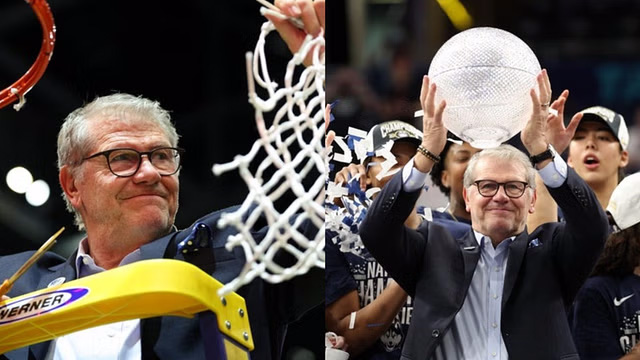
That same spirit of excellence and growth leads me to this week’s leadership spotlight: Coach Geno Auriemma and the powerhouse University of Connecticut women’s basketball team, fresh off their latest national championship win. In his 39 seasons as head coach, Geno has led the Huskies to 11 NCAA championships, over 1,200 wins, and countless undefeated seasons. He’s not just one of the most successful coaches in college basketball history—he’s one of the most respected leaders in sports. Geno hasn’t just built a winning team—he’s built a legacy rooted in discipline, belief, and an unwavering commitment to greatness.

And at the heart of this year’s run? Paige Bueckers. Coming back from injury, Paige led with grace, grit, and undeniable presence. She didn’t just return to the court—she owned it. Every assist, every moment of hustle, every lift she gave her team under pressure showed us what leadership looks like in action. Paige is the kind of leader who meets adversity head-on and turns it into fuel. She’s proof that champions aren’t defined by circumstance—they’re defined by how they rise.

Read more: Thoughts on Leadership: Show Up Like a Champion

Here are five powerful takeaways from Geno’s leadership playbook—each one a reminder of what it takes to build something lasting, whether on the court or in our industry:

1. Set the Standard—and Stick to It.
Geno doesn’t waver on expectations. He sets the bar high and makes no apologies for it. In real estate, clarity in expectations creates consistency, trust, and results.

2. Build People, Not Just Players.
It’s not just about winning games—it’s about developing strong, confident individuals. The best leaders invest in people, not just performance.

3. Create a Culture of Belief.
The University of Connecticut wins because every player believes—in themselves, in the system, and in each other. Belief is the fuel that powers every championship season… and every standout year in business.

4. Coach the Details.
The little things matter. Geno is known for coaching the fundamentals relentlessly. In our world, it’s the follow-up email, the well-run meeting, the extra call—it all adds up.

5. Embrace the Pressure.
Championships are won under pressure. Geno teaches his players to welcome it, not fear it. As real estate professionals, we know pressure well—and learning to thrive in it separates the good from the great.

As Geno once said, “You have to want to be great, but you also have to be willing to do the things necessary to be great.”

So, what’s the message?

Success isn’t about one big moment—it’s about a thousand little ones, stacked with purpose, grit, and unwavering belief. Whether you’re leading a team, growing your business, or navigating the unknown, know this: with the right mindset, the right people, and the right preparation, anything is possible.

Believe in the vision. Trust the process. And when your moment comes, don’t just show up—show up like a champion.

Great Leadership Recognizes Greatness

By Gino Blefari

This week, my travels took me to Irvine, California, where I spent the day filming a series of videos recognizing top-performing agents. As I stood in front of the camera, acknowledging their achievements, I was reminded of a fundamental truth in leadership: recognition fuels success.

In sales—whether in real estate, finance, technology, or any competitive industry—success is often measured by numbers, but the driving force behind those numbers is people. And people thrive when they feel valued. Taking the time to celebrate accomplishments isn’t just a nice gesture; it’s a critical leadership tool that fuels motivation, retention, and a culture of excellence.

Read more: Great Leadership Recognizes Greatness

Why Recognition Matters

Sales, whether in real estate, finance, tech, or any other industry, demands energy, resilience, and determination. Yet, success in sales is often relentless and competitive. Leaders who understand the value of acknowledgment create environments where professionals feel motivated, inspired, and driven to excel.

Key Leadership Lessons on Recognition

Recognition Fuels Performance
Studies consistently show that employees who feel recognized perform at higher levels. When leaders take the time to acknowledge achievements, it strengthens motivation and reinforces the behaviors that drive success.

One way I personally integrate recognition into my leadership style is through direct, personal shout-outs. I offer my leadership team the opportunity to send me details about an employee or agent they want to recognize—including a brief background, a suggested message, and even a photo so I can familiarize myself with them. Then, I personally call the individual to deliver the shout-out, ensuring they hear firsthand how much their contributions are valued.

A great example of this in action is Maria Kazakos, President of Berkshire Hathaway HomeServices Carolinas Realty. Maria has fully embraced this initiative, sending me a shout-out every single week without fail. Her consistency in recognizing her team members has created an incredible ripple effect—boosting morale, strengthening engagement, and reinforcing a culture where people feel valued. The feedback we receive from these calls is a testament to the power of recognition in action.

Recognition Builds a Culture of Excellence: When recognition is embedded in an organization’s culture, it elevates the entire team. Celebrating individual successes fosters a collective mindset of striving for greatness, where excellence is not just encouraged—it becomes the expectation.

Recognition is Retention: Talented professionals don’t just work for a paycheck—they work for purpose and appreciation. Salespeople who feel valued are far more likely to stay with an organization, commit to its vision, and continue delivering exceptional results.

Recognition Reinforces the Right Habits: It’s not just about acknowledging the end result—leaders should celebrate the effort, discipline, and daily habits that lead to success. Recognizing the journey, not just the destination, fosters long-term, sustainable performance.

Recognition is Leadership: Great leaders don’t wait for big wins to acknowledge their people. They look for every opportunity to highlight progress, effort, and contribution. Whether it’s a public award, a personal note, or a simple “thank you,” consistent recognition strengthens trust, loyalty, and morale.

So, what’s the message?

Whether in real estate, sales, or any industry, recognition is a powerful leadership tool. The best leaders don’t just set high standards—they take the time to celebrate those who meet and exceed them.

Success isn’t just about closing deals or hitting numbers—it’s about creating a culture where people feel seen, valued, and inspired to keep striving for more. Because when leaders recognize and appreciate their people, they don’t just fuel individual achievement—they build organizations that thrive.

Thoughts on Leadership: A Tribute to Mike Ferry

By Gino Blefari

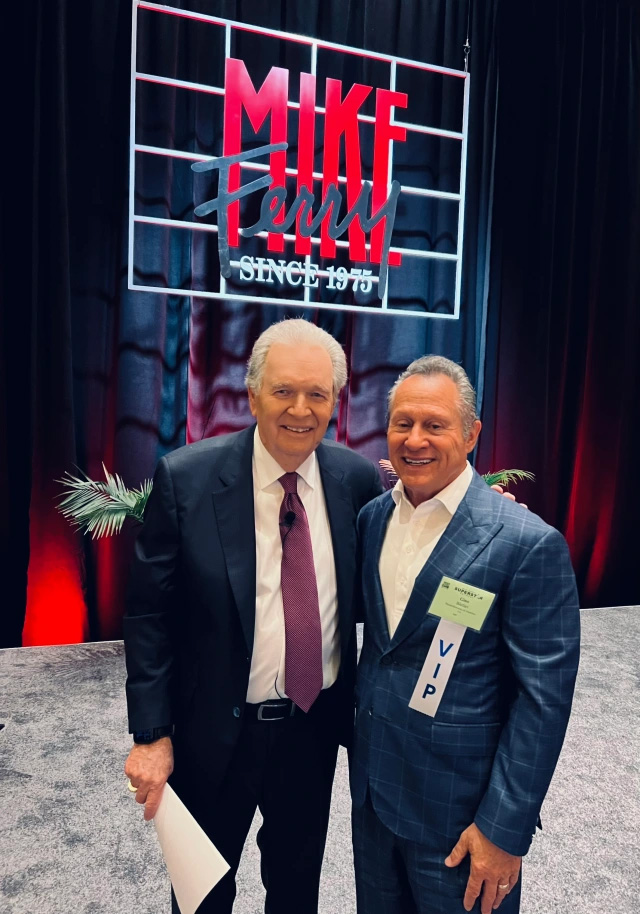
This week, I had the honor of attending a milestone event in Palm Desert, California—the 50th anniversary of The Mike Ferry Organization. This year, the Mike Ferry Organization returned to this beloved location for a landmark celebration, bringing history full circle. Throughout my career, I’ve been fortunate to have many mentors who have shaped my path, but if I had to choose just one who has had the greatest impact on me, it would undoubtedly be Mike Ferry.

Over the past five decades, Mike Ferry has built not only one of the most successful real estate coaching organizations in the world but also a transformative approach to how agents, managers, and brokers think about success. His teachings are timeless, rooted in discipline, clarity, and a relentless focus on results.

Read more: Thoughts on Leadership: A Tribute to Mike Ferry

I’ve had the privilege of experiencing Mike’s incredible generosity and wisdom firsthand. One memory that stands out happened years ago during a leadership retreat with my managers at Contempo Realty. During our lunch break, we planned to head to Fashion Island. As I walked through the hotel lobby, I bumped into Mike and mentioned our plan. Without hesitation, he flipped me the keys to his brand-new Bentley and said, “Here, take my car!” We piled eight of us into that Bentley and headed off to lunch. That’s the kind of person Mike Ferry is—selfless, generous, and always willing to share what he has.

Since 1987, those Superstar Retreats at the JW Marriott Desert Springs were second to none and, for me, can never be duplicated. Thanks to Mike Ferry, I had the opportunity to meet and learn from some of the greatest minds of our time—people I may never have had the chance to connect with otherwise. Icons like Pat Riley, back when he was coaching the Los Angeles Lakers, Gerald Coffee, Brian Tracy, and so many more became part of my leadership journey because of Mike. These retreats weren’t just about professional growth; they were transformative experiences that expanded my network, my mindset, and my understanding of leadership in ways I’ll always cherish.

Whether you’re a new agent stepping into the world of real estate, a seasoned professional refining your craft, or a leader guiding a team, Mike’s coaching provides invaluable lessons that transcend real estate. Here are five enduring leadership lessons from Mike Ferry’s remarkable career:

1. Success Requires Relentless Consistency 

Mike has always emphasized that success isn’t about occasional bursts of effort—it’s about showing up every day with discipline and focus. This applies to prospecting, follow-up, and building relationships. Leaders who prioritize consistency inspire their teams to do the same, creating a culture of sustainable growth.

2. Accountability Drives Results

One of the cornerstones of Mike Ferry’s coaching is accountability. He has taught thousands of agents to set clear goals, track progress, and hold themselves to the highest standards. For leaders, accountability isn’t just a personal practice—it’s a tool to elevate team performance and ensure alignment with objectives.

3. Master Your Craft

Mike’s coaching philosophy is built on mastering the fundamentals. Whether it’s the art of prospecting, handling objections, or delivering a powerful listing presentation, success comes from perfecting your skills. For leaders, this lesson translates into investing in personal development and fostering expertise within your team.

4. Adapt to Market Changes, But Stay True to Core Principles

Over 50 years, the real estate industry has seen countless shifts, yet Mike’s core system has remained steadfast. His teaching reminds us that while we must adapt to changing conditions, foundational principles—hard work, focus, and discipline—never go out of style.

5. Leadership Is About Empowering Others

Perhaps the most profound lesson from Mike Ferry’s career is the importance of empowering others. His coaching has helped thousands of professionals reach their potential, build confidence, and achieve success. Leaders who prioritize lifting others up create a lasting legacy of impact.

Mike’s teachings continue to shape the real estate industry and inspire professionals across the globe. This 50-year celebration in Palm Desert wasn’t just a reflection of his legacy but also a call to action for all of us to embrace the principles that lead to greatness.

So, what’s the message?

Mike Ferry’s career is a masterclass in leadership. His lessons remind us that success isn’t about shortcuts—it’s about dedication, accountability, and empowering others. From his generosity in everyday moments to the way he has shaped the real estate industry, Mike’s legacy is one of impact and excellence.

As we honor this incredible milestone, let’s commit to carrying forward his teachings and building a legacy of our own.

Thank you, Mike Ferry, for 50 years of brilliance, inspiration, and for showing us what’s possible when clarity, focus, and discipline meet a passion for helping others succeed.

Thoughts on Leadership: Lessons from the Road

By Gino Blefari

This week, my travels took me on a whirlwind tour across the West, connecting with some of the best and brightest in our company. It all began on Monday with a flight from Northern California to the vibrant city of Las Vegas, Nevada. By Tuesday morning, I was at the Berkshire Hathaway HomeServices Nevada Properties Summerlin office, where I joined 250 of our incredible team members for a fireside chat with Troy Reierson, CEO. The day continued with a leadership lunch and concluded with a lively networking event that evening.

The next morning, before the sun rose, Troy, John Thompson (General Manager), and I boarded a plane bound for Arizona. There, we followed a similar agenda with our dedicated Berkshire Hathaway HomeServices Arizona Properties team, where I had the pleasure of reconnecting with my dear friend and agent, Dennis Alaburda—shoutout to him! By Thursday morning, the three of us were back in the air, heading to Yorba Linda, California, to meet with our Berkshire Hathaway HomeServices California Properties team at the Richard Nixon Library & Museum for another inspiring day.

Read more: Thoughts on Leadership: Lessons from the Road

What struck me most throughout this week wasn’t just the packed agenda—it was the people. I was energized by the leadership teams, our incredible realtors, and the hardworking staff who are the heart and soul of this organization. For some, it had been months since we last crossed paths—back in March in New Orleans. Reuniting reminded me of the power of these connections and the shared passion that drives us all.

As I reflect on this week’s travels and conversations, I’m struck by how each interaction reinforced timeless leadership principles that we can all apply in our daily lives. Whether it was during the fireside chats, connecting with our incredible teams, or simply observing the dynamic energy in the rooms, several lessons stood out to me:

1. Relationships Are Everything
One of the key takeaways from the fireside chats was the importance of relationships. Troy opened with a powerful reminder of how connections can evolve over time, saying, “We connected in 2017 through a mutual friend… look at us today and how we’ve grown as people. Can you share your journey?” This resonated deeply with me because, time and time again, I’ve seen how investing in relationships—whether with colleagues, mentors, or clients—creates a strong foundation for enduring success.

2. Balance Accountability with Inspiration

Troy highlighted something I strive for as a leader: holding people accountable while keeping them motivated and honored to be part of the team. This balance isn’t easy, but it’s essential. Accountability drives performance, while inspiration fosters loyalty and engagement. Leaders who master both can unlock extraordinary potential in their teams.

3. Lead with Curiosity and a Growth Mindset

Throughout the week, I noticed the energy that comes from curiosity. In the fireside chats, we discussed the value of being a lifelong learner—whether through studying, exploring new perspectives, or adapting to change. Leadership isn’t about having all the answers; it’s about staying curious and open to growth.

4. Family Values Inform Leadership
I shared how raising my daughters has profoundly influenced my leadership decisions. The lessons we pass on to those we love—integrity, empathy, compassion, and perseverance—are often the very same values that make us effective leaders. Keeping sight of what truly matters helps us stay grounded and authentic in our leadership roles.

5. Celebrate the Team’s Contributions

During each stop on this week’s journey, what struck me most was the collective energy of our teams. Leadership isn’t a solo act—it’s about empowering others to thrive. Taking time to celebrate successes, acknowledge contributions, and simply reconnect with your team can reignite passion and drive.

So, what’s the message?

Leadership is a journey defined by the relationships we nurture, the lessons we embrace, and the values we uphold. This week reminded me of the importance of staying connected—to our teams, our mentors, and ourselves. Whether it’s standing tall during challenges, celebrating the contributions of others, or leading with curiosity and a growth mindset, great leadership is about creating an environment where people feel inspired, valued, and empowered to succeed. As we move forward, let’s remember that leadership isn’t just about reaching the destination—it’s about the connections and growth we experience along the way.

Thoughts on Leadership: Scorekeeping For Success

By Gino Blefari

This week, my travels took me to the East Bay of Northern California, a region not only known for its scenic beauty but also for its vibrant leadership landscape. My first engagement was an inspiring visit with Janice F. Whaley, President and CEO of Donor Network West, and William Bubba Paris, its Executive Director. Bubba, a former offensive left tackle for the San Francisco 49ers (main job, protecting Joe Montana’s blind side) and now a prolific author, motivational speaker, and community advocate, alongside Janice, whose leadership and operational acumen have marked significant advancements both in California and nationally, showcased their relentless dedication to the mission of organ donation. Established in 1987, Donor Network West connects life-saving gifts to those in need and fosters organ donation as a fundamental human responsibility.

Shortly after, I drove south to Pleasanton to meet with Rishi Bakshi, franchisee owner and President of Intero Real Estate Services, before his meeting with his leadership team. Their innovative spirit was especially evident in their new office, where they are setting benchmarks for real estate excellence in Northern California.

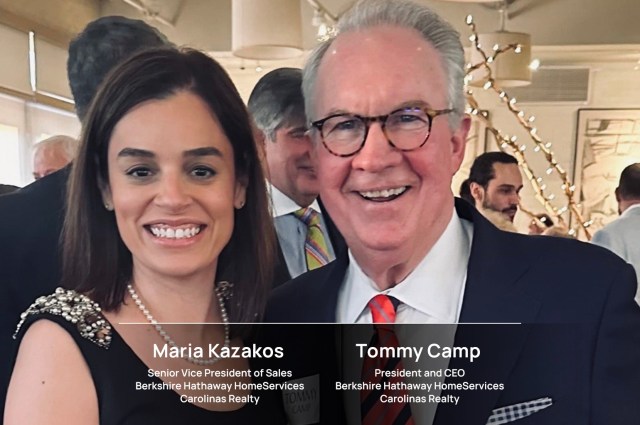
The week continued as I attended my usual early Tuesday meetings: the Berkshire Hathaway Energy Weekly Executive Team Meeting followed by the HomeServices of America 2025 Plan Review. The afternoon was dedicated to our HomeServices of America monthly leadership virtual meeting, which was particularly enlightening. Maria Kazakos, Senior Vice President of Sales at Berkshire Hathaway HomeServices Carolinas Realty, discussed “The Power of Keeping Score and the Why?”—her insights served as the catalyst for this week’s blog theme.

Maria’s insights were influenced by the principles outlined by Tommy Camp, President and CEO of Berkahire Hathaway HomeServices Carolinas Realty and a firm believer in Scorekeeping for Success. Tommy embraced the idea that measuring performance can not only improve it but also accelerate its rate of improvement when these measurements are reported and analyzed.

From our experience, we’ve seen firsthand how establishing clear goals and consistently tracking progress taps into a natural human inclination towards achievement. This isn’t just about noting where we stand; it’s about transforming these insights into actionable, meaningful practices that drive forward movement.

Implementing a thoughtful scorekeeping system has proven to significantly boost productivity and overall success. It encourages a focus on positive achievements and supports an environment where team members feel motivated by clear, measurable objectives. Here are the key lessons we’ve adopted:

  1. Positive Reinforcement vs. Negative Measurement: Scorekeeping should focus on positive achievements rather than deficits. This positive process is akin to celebrating wins in a sports game — tracking the successful passes and goals, rather than the misses, which fosters a more engaged and motivated environment.
  2. Historical Example of Effective Scorekeeping: The Wall Street Journal, initiated by Charles Henry Dow and Edward David Jones, is a quintessential example of scorekeeping. Their method of averaging the worth of 11 stocks not only simplified complex stock market data but also established a trusted system that continues to guide investors today.
  3. Feedback and Engagement: Effective feedback is crucial for a successful scorekeeping system. It should be timely, detailed, and constructive, allowing team members to understand their progress and areas of improvement.
  4. The Need for a Scoreboard: Visibility of progress through a clear scoreboard is essential. It not only organizes but also motivates by showing real-time progress against goals.
  5. Leadership’s Role: The ultimate success of any scorekeeping system rests on leadership. Leaders must encourage, engage, and exemplify the behaviors they wish to see, making the system not only necessary but effective.

So, what’s the message? Success in leadership is measurable and quantifiable. It’s about setting clear goals, tracking progress, and continuously seeking new ways to achieve and celebrate success. As we embrace these practices, we not only inspire our teams but also pave the way for sustained organizational achievements.

Remembering My Idol—Willie Mays 

By Gino Blefari

Good evening from the shores of Cabo San Lucas, where I’m soaking up the vibrant spirit and stunning vistas of Mexico. This week, I’ve experienced two intense emotions—pure happiness and joy, and another—profound sadness.

The happiness and joy is why I am here in Mexico—celebrating the wedding of a dear friend. The sadness came earlier this week when I learned about the passing of my idol, Willie Mays.

Read more: Remembering My Idol—Willie Mays 

The world-famous baseball player had such a big impact on me during my childhood, and now, during my adult life. His legacy and story taught me so much—to always be the hardest working player on the field, and to always maintain a child-like enthusiasm. 

As a tribute to Wille, I wanted to share two articles I have previously written. I hope that you enjoy them as much as I did writing them and that you cherish his story and the lessons he shared as much as I do. 

THOUGHTS ON LEADERSHIP: A TRIBUTE TO WILLIE MAYS

I have a list of 18 connecting questions that help strengthen team chemistry and allow us to know each other better. One of those questions is, “Who from your childhood had the biggest impact on you?” My answer is always my dad and my mom (naturally) but if I had to pick one other person it is my all-time favorite baseball player, Willie Mays. So, to celebrate Black History Month and highlight Black leaders, I’d like to share a little bit about my hero, Willie Mays.

He was born on May 6, 1931, in West Field, Alabama. His father had been a legendary semi-pro player and trained him to play baseball since before he could walk. Willie Mays first made his mark as a member of the Chattanooga Choo-Choos and later began his baseball career—still just a teenager—playing for the Birmingham Black Barons in 1948. He was only 19 years old when he signed with the New York Giants in 1951.

Willie Mays was the kind of ballplayer who could do everything. He could run, throw, hit with power and field. He had every tool of a five-star player. Here are a few incredible stats about his career: His lifetime batting average was .302. He played Major League Baseball for 22 seasons and was named to 24 All-Star games. MLB player Ted Williams once said, “They invented the All-Star Game for Willie Mays.”

Willie Mays was the very first player in the league to join the exclusive 30-30 Club—batters who achieved 30 home runs and 30 stolen bases in a single season. For eight years in a row, he drove in more than 100 runs and finished his career with 660 home runs. At the time of his retirement, he had hit more home runs than anyone except Hank Aaron and Babe Ruth. In the outfield, he recorded 7,095 putouts, the most in Major League history. According to the New York Yankees great Joe DiMaggio (Joltin’ Joe), Mays had the greatest throwing arm he had ever seen.

There’s one word to describe the way Willie Mays played the game of baseball: excitement. Anyone who saw him on the field felt it because he not only just played that well, it was so evident that he loved what he did more than anyone else. (He once said, “It was such a beautiful game that I just wanted to play it forever.”)

He was more “into” the game than any other player, too. A tremendously focused player every time he stepped on the field or up to bat.

Watching Willie Mays play, I’ll always remember the way he’d run the bases. First, a slam into the outfield and next, he’d skid around second base just like one of the Olympic skiers at the Winter Games but as he ran, you knew he was taking note of every little thing happening on the field. He was at once focused on the task in front of him and the entire game. His teammates and opponents would often comment just how much he knew about the game. MLB player Monte Irvin said, “I think anybody who saw him will tell you that Willie Mays was the greatest player who ever lived.”

Though he set many records, Willie Mays was not the first Black Major League ball player (1951). On April 15, 1947, Jackie Robinson broke decades of what was called the “color line” when he appeared on the field to play for the National League Brooklyn Dodgers.

Even if he wasn’t first, and despite the overwhelming admiration people had for his abilities, work ethic and talent, there were still many obstacles to overcome. Here’s a quote from author George Will that perfectly sums up the scenario:

Willie Mays was not the first black ballplayer, but he had his own barrier to break through—a kind of gentle, good-natured racism, but racism, nonetheless. If you remember when he came up, people would say, “Oh, what an instinctive ballplayer he is. What a natural ballplayer he is. What childlike enthusiasm he has!” Well, thirty years on, we can hear with our better-trained ears, the racism in that. [Was Mays] wonderfully gifted? Yes. Great natural ballplayer? Yes. But nobody—nobody—got to the major leagues on natural gifts without an awful lot of refining work.

He was an instinctive ballplayer, but he was also a tremendously smart ballplayer. As a rookie, he’d get to second base, watch two batters go up to the plate, and he’d go back to the dugout, having stolen the signs and decoded the sequence. He’d know the indicator signs from the other signs. Natural ballplayer? Sure. Hardest-working ballplayer you ever saw.

You know in football there’s an iconic play from Dwight Clark called “The Catch”? Well in baseball, there’s an iconic play with Willie Mays called “The Catch.” Let me set the stage for you on that. I was not born yet but I have watched it hundreds of times …

On Sept. 29, 1954, Willie Mays of the New York Giants was facing the Cleveland Indians. It was the World Series, and it was being played at the Polo Grounds in Upper Manhattan. What happened during that epic day is something baseball fans memorialize and will never, ever forget.

It’s the top of the 8th and Cleveland is up. The score is tied 2-2. Don Little, pitching from the stretch, Vic Wertz leans in, Willie Mays waits in center.

Here’s a transcript of the call from Russ Hodges in 1954 of “The Catch”:

There’s a long drive, way back in center field, way back … back … back … it’s … it’s … (he’s about to say off the wall but instead he says …) it’s CAUGHT! Willie Mays just brought the crowd to its feet with a catch, which must have been an optical illusion to many people.

Here’s what Bob Costas said about the Catch:

“It was more than just a great catch; it was a catch that no one had even seen before. When that ball left Wertz’ bat, and this is one of the great things about baseball. A ball’s hit into the gap. How good is the outfielder’s arm? Where is the cutoff man? A quick look and a glance, the runners between first and second, how fast is that runner? How many outs? Should he try for third? Is his history that he’s daring? Will he try for third? What is the third base coach doing?”

It was all overwhelming, but Willie Mays took it in within the span of a few seconds to understand his best possible outcome in this difficult scenario – and did it flawlessly countless times. Here’s how Bob Costas described the Catch:

When the ball left Wertz’ bat, in the massive Polo Grounds, where it was headed, where Mays was standing, there was only one possibility. Could he get to it before it was an inside the park home run? Could he hold it to a triple? Catching it was out of the question and Willie Mays turned and ran to a place, where no one could go to get that ball, starting where he started with the ball hit as it was hit. So, it was more than just a great acrobatic play, it was a play that until that point was outside the realm of possibility in baseball.

And here’s a little-known piece of trivia about that day: In the 8th inning, they brought in the left-hander Don Little to pitch to left-hand-batting Vic Wertz. Little relieved Sal Maglie and was sent in to pitch to one batter only: Wertz. As the story goes, Wertz hits the ball over 450 feet and Mays makes the Catch. Right-hander Marv Grissom is then waved in by manager Leo Durocher. Don Little hands the ball to Grissom and says straight-faced but in a moment of humor, “Well, I got my man.” Later in the game, Mays hit a triple to the exact same spot where he caught Wertz’ long drive and a teammate said, “The only player that could have caught it, hit it.”

A few years back I got Dwight Clark and Willie Mays together to commemorate “The Catch” and “The Catch.” It was a celebration of what in my opinion is the greatest catch in football and the greatest catch in baseball by my two all-time favorite players.

So, what’s the message? Well, here’s the message: We can all learn from Willie Mays to have a greater understanding of whatever our business is, always be the hardest working player on the field and always maintain that child-like enthusiasm. Thank you, Willie. 

THOUGHTS ON LEADERSHIP: WILLIE AND BILLY (AN UNEXPECTED STORY YOU’LL WANT TO READ)

Whenever I write these posts, I always receive incredible replies but when the last post about Willie Mays, written in celebration of Black History Month, was sent into the world, I received a response from William “Billy” Knox at Berkshire Hathaway HomeServices California Properties that I just had to share.

It was June 1961. A 10-year-old Billy was staying at his neighbor’s house, five blocks down from his own.

“Cmon,” Billy said to his friend, Bobby. “Let’s get Willie’s autograph.”

He was of course, referring to the great Willie Mays, who just so happened to be temporarily staying at a home nearby while his custom-built mansion in Atherton—a small town in San Mateo County, California—was being built.

What happened next? Billy and Bobby decided it would be totally fine (and absolutely fun) to ring the doorbell of a temporary home belonging to a living legend, so they did it.

“We were just two kids going to the Giants game the next day,” Billy writes.

Willie’s wife, Marguerite, answered the door—in amazing $500 gold shoes—and said Willie wasn’t home but that the boys could come back tomorrow for an autograph.

“And you bet we did,” Billy says.

At 9 a.m. the next day, Billy and Bobby waited as patiently as two young kids about to meet their hero could, on the stoop of the Mays’ home for the now-promised autograph. Finally, Willie emerged, dressed in a yellow cardigan and brown slacks, sauntering with characteristic cool toward his lime-green Cadillac convertible. (“The one with those famous fins,” Billy describes.)

Sensing his opening, Billy asks for the autograph with more casual reserve than you’d expect from a 10-year-old baseball enthusiast and Willie agrees. The two boys follow him—“like puppies”—to his car when, as Billy explains, “a bolt of chutzpah hit me.”

He told Willie they had tickets to the game that day and wondered if he could give them a ride. Could you even imagine? Two children arriving at the Giants game in the Caddy of the team’s star player and arguably, the best player to ever set foot on the baseball field?

“Hop in the front, guys,” Willie says in a dreams-really-do-come-true moment for the two young fans.

But as soon as the boys got into the car, they realized they were missing a crucial element to the game: their tickets.

Willie asked where they lived and with the calm of an outfielder waiting to catch a long drive way back in center field, he drove the boys to Bobby’s house to retrieve the tickets.

Here’s how Billy describes what happened next: “Then the greatest hitter in the history of the game left his motor idling and waited patiently while we tore up the stairs to Bobby’s room to retrieve the tickets.”

So, they get the tickets and return to Willie’s car, this time traveling just one block before more trouble brews in the inning.

They forgot their lunch.

Without cell phones to instantly get in touch, they were worried their families would think something happened to them. (And would probably never guess they were simply riding in the lime-green Cadillac of Willie Mays to see him play that day.)

Willie goes back (again) and Billy writes: “To this day, I can still see my mom standing at our dining room picture window with her hands on her hips, mouth ajar, as the white top convertible sped off.”

What. A. Play.

But the inning wasn’t over yet. Bobby and Billy had planned to meet Billy’s 13-year-old brother and his friend at the game. When they all convened in their section, Billy told them Willie Mays drove them to Candlestick Park. Of course, the boys were skeptical— Who wouldn’t be?—but Billy had a plan. After the game ended, the baseball crew went to the lot where Willie was standing, ready to depart after yet another epic day of baseball. Willie Mays spotted Billy and pointed to his car. So, of course the boys did the next logical thing any baseball fan would do: They got into the back seat and told Billy’s brother and his friend to crouch down low, hidden from sight.

When Willie got into his car, he spotted the extra boys and asked who they were. Billy said, “Uh, uh, um, Willie, these are my brothers, and they were at the game and uh, we’re going back to my house. You wouldn’t mind giving them a ride too, would you?”

What could Willie say?

And that’s the story of how four 10- and 13-year-old boys from Northern California spent a day with Willie Mays. Says Billy: “One of my fondest memories of that ride home was viewing my brother’s friend, slipping his youthful hand into Willie’s legendary glove as it lay perched on the edge of the back seat.”

So, what’s the message? In this case, it’s that if you find yourself like William “Billy” Knox did, living a few doors down from your childhood hero, always ask him for a ride.

The Power of Small Wins in Leadership

By Gino Blefari

This week finds me once again in the familiar setting of my home office, where I began Monday with my usual WIG calls, continuing the tradition of starting my week focused and connected.

These regular WIG calls, simple as they may seem, are much like the ‘small wins’ highlighted in leadership studies. Each call, a small victory in itself, contributes to the larger framework of our organizational success, illustrating how minor accomplishments can lead to significant outcomes.

Read more: The Power of Small Wins in Leadership

In the vast expanse of academic literature, there’s a concept that resonates deeply with the principles of effective leadership—the “small win.” These are precisely what they sound like: minor victories that set the stage for broader, transformative changes. Research robustly supports that small wins, though seemingly modest, wield an influence far greater than the sum of their parts. They are the steady application of a small advantage that catalyzes a series of further victories.

Leadership Lesson #1: Focus on the Process, Not Just the Goal The journey to significant achievement often starts with small, consistent steps. The construction of the great pyramid provides a poignant example of this. It was built by laying one stone at a time, not with the entire structure in mind but with each individual action focused on correctly placing that one stone. This method teaches us a critical leadership lesson: the true power lies in focusing on the process rather than fixating solely on the goal. By paying attention to the process, every small action becomes a part of a larger narrative of success. Please take a moment to reflect on this point. It’s not just about reaching the pinnacle but about valuing each step that takes you there.

Leadership Lesson #2: Cultivate Patience and Steadiness We live in a time where instant gratification is often sought after, yet the magic of leadership lies in patience and the wonder of tiny triumphs. The daily disciplines that might seem trivial are what build up to grand achievements over time. This calls for a leadership style that values steadiness and the consistent effort of small actions, reinforcing the second lesson: the importance of patience and persistence in achieving long-term success.

Leadership Lesson #3: Commitment to the Journey True leadership is measured not by the culmination of efforts in grand achievements but by the depth of commitment to the ongoing journey. It’s about making daily progress toward your highest ideals and staying true to the path you’ve committed to. This approach to leadership celebrates the process itself as the real victory, not just the end result, which is merely the icing on the cake.

Reflect on the wisdom of Robert Louis Stevenson, who advised not to judge each day by the harvest you reap but by the seeds you plant. Equally important, consider the words of author Dale Carnegie, who observed that “any fool can criticize, condemn, and complain—and most fools do.” These reflections underscore the value of focusing on constructive actions and the positive steps we take daily, rather than dwelling on criticism or setbacks.

So, what’s the message? If we adopt the mindset that every small step is a part of a larger journey, we transform our approach to leadership and life. Just as the great pyramid was built one block at a time, effective leadership is built on the foundation of daily, small wins. These wins, though minor, are the building blocks that lead to significant achievements.

Embrace the small wins, for they compound into monumental victories over time. Your commitment to this steady, patient approach will not only lead to success but also define the kind of leader you are.


Thoughts on Leadership: Building a Winning Team with the Three Bars Framework

By Gino Blefari

This week my travels find me at home after a very long week of travel with -9 temps in Denver, CO and 82 degrees in Key West, FL and coming off a 4th quarter comeback 49ers win!

I started Monday with my typical WIG calls. On Tuesday, I had an early morning Berkshire Hathaway Energy weekly executive meeting followed by our monthly leadership meeting. 

Read more: Thoughts on Leadership: Building a Winning Team with the Three Bars Framework

In the dynamic world of leadership, the strength of a team hinges on the collective commitment to excellence. I firmly believe that each team member plays a crucial role in shaping the overall success.

However, what happens when a standout player, once a beacon of success, starts veering off course?

In the intricate landscape of business, where decisions sculpt the future, top leaders swear by a fundamental principle: safeguard your company’s culture with every staffing decision. It’s a testament to the profound belief that a robust company culture is the backbone of any triumphant enterprise.

In this delicate equilibrium, even the most skilled individuals are subject to evaluation if their actions or attitudes pose a threat to the core values of your company’s culture.

Have you ever pondered the impact of a lone “bad apple” within a team? Research paints a stark picture: a single individual has the potential to lead the entire team astray, tarnishing collective behavior and spirit.

So, faced with such a predicament, the solution, though daunting, is crystal clear: they need to be let go.

Now, the challenge lies in distinguishing who is uplifting your team and who is dragging it down. Enter the ingenious three bars framework – a simple yet potent tool. Pose this question: if every team member emulated the values and attitude of a specific employee, would they elevate, sustain, or lower your company’s average performance and morale?

Those who raise the bar, the true champions of your culture, not only deserve recognition but promotion. Their positive influence should permeate throughout your organization. Conversely, those who lower the bar, regardless of past triumphs, must be let go. Their presence poses a threat to your company’s culture – a cost too steep for any business. The three bars framework isn’t confined to evaluations; it extends to recruitment. Every hiring decision is an opportunity to elevate our team’s standards.

So, what’s the message? As a leader, prepare yourself for these decisive moments. They aren’t merely administrative actions; they are declarations of your unwavering commitment to fostering a thriving, positive, and resilient company culture.

Thoughts on Leadership: In Gratitude for YOU

By Gino Blefari

This week my travels find me at home, starting Monday with my typical WIG calls. On Tuesday, I joined the early morning Berkshire Hathaway Energy call then had four succession calls. Today, I had a few meetings and calls but mostly prepared for the four-day weekend ahead. And guess what? Exactly one year ago and a day from today, I was at the San Jose International Airport at 1:17 p.m. for my puppy pick-up and welcomed our sweet pup June to the family. A year later, I am so thankful that June joined the Blefari crew and brings so much joy to all of us. She’s a handful but we love her, and we’re grateful to have her in our lives.

Gratitude, just as it’s been all month, is really in the spotlight this week. I’m grateful for my family, friends and colleagues who have become like family, and I hope we can all take a few moments away from our holiday festivities to appreciate those who make our days that much brighter.

Continue Reading

Thoughts on Leadership: Establishing a Solid Routine

By Gino Blefari

This week my travels find me starting off at home, with my typical Monday morning WIG calls. On Tuesday I attended a Berkshire Hathaway Energy meeting in the morning then participated in several other meetings throughout the week. I’m also focused on planning for this month’s CEO Leadership Meeting as well as upcoming meetings in San Diego, happening August 15th through August 19th.

As all this planning and strategizing ramps up, I’m reminded about the importance of a solid morning routine. When you have a good morning routine it sets you up for success throughout the day.

Continue Reading

No more posts.